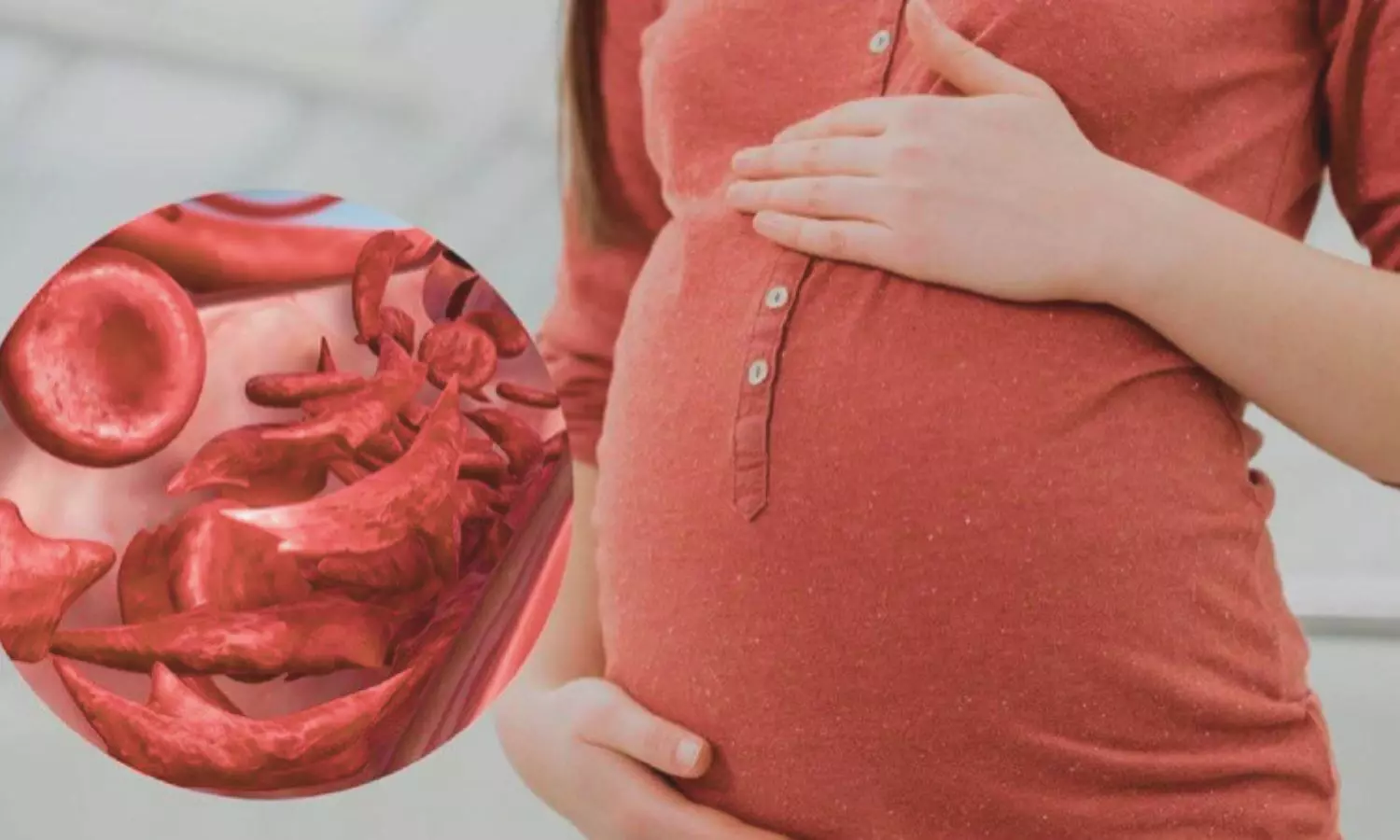
The most frequent haematological problem identified during
pregnancy is anemia. The World Health Organization defines anemia during
pregnancy as having a hemocrit of less than 33% and a hemoglobin content of
less than 11 grams per milliliter.
Iron therapy is the only treatment for iron deficiency
anemia, aside from the dietary changes already discussed. Government programs
for the prevention and treatment of anemia use oral iron since it is a
cost-efficient, safe, and effective means to replace iron. Typically, vitamin C
and 180–200 mg of elemental iron are administered in two or three separate
doses, spaced between meals. This study aimed to examine the safety,
effectiveness, of intravenous iron isomaltoside versus intravenous Iron sucrose
in the treatment of postpartum anemia.
This Randomised parallel group trial study will be done in
the Department of Obstretrics and Gynaecology Shri B. M. Patil Medical College
Hospital and Research Centre. All postpartum women between day 1 and day 10 of
normal delivery or cesarean section with moderate anaemia (Hb 7-11 gm/dl)
admitted in labor room and wards and agreeing to give written and informed
consent will be included in the study. Then subjects will be randomized in to
two groups in 1:1, 108 subjects in each group Group 1: One gram of intravenous
iron isomaltoside was administered in a single dosage. Group 2: 200 mg, 200 mg,
and 200 mg of iron sucrose were given intravenously for three days totaling 600
mg. Then the CBC and serum ferritin levels will be checked on the recruitment
day followed by 21st day after therapy
The Hb increase experienced by women in the iron
isomaltoside group was 1.4 gm more than that of the iron sucrose group, and
this difference was statistically significant (P value<0.001). The mean size
of Hb was likewise large, coming in at 2.086 mg for the iron isomaltoside group
and 1.766 gm for the iron sucrose group. Both groups had an increase in serum
ferritin, a measure of their iron storage.
The most prevalent type of nutritional anemia during
pregnancy and the postpartum phase is iron deficiency anemia, which is a public
health concern particularly in underdeveloped nations. There is a strong
correlation between anemia throughout pregnancy and the postpartum phase and
the morbidity of both the mother and the fetus. According to this research,
iron isomaltoside is a more successful treatment for postpartum anemia than
iron sucrose, and it has the added benefit of only requiring a single dose and
having a lower rate of side effects and less cost compared to iron sucrose.
The result of this study indicate that iron isomaltoside
causes significantly higher rise in Hb level as compared to iron sucrose.
Notably, serum ferritin which a marker of iron stores increased significantly
in iron isomaltoside group versus iron sucrose group which prevents recurrence
of iron deficiency anemia. Side effects were minor and comparable both groups.
Iron isomaltoside has an additional advantage of single doseadministration as
compared to multiple doses required in iron sucrose administration.
Source: Bhosle et al. / Indian Journal of Obstetrics and
Gynecology Research 2025;12(2):272–277