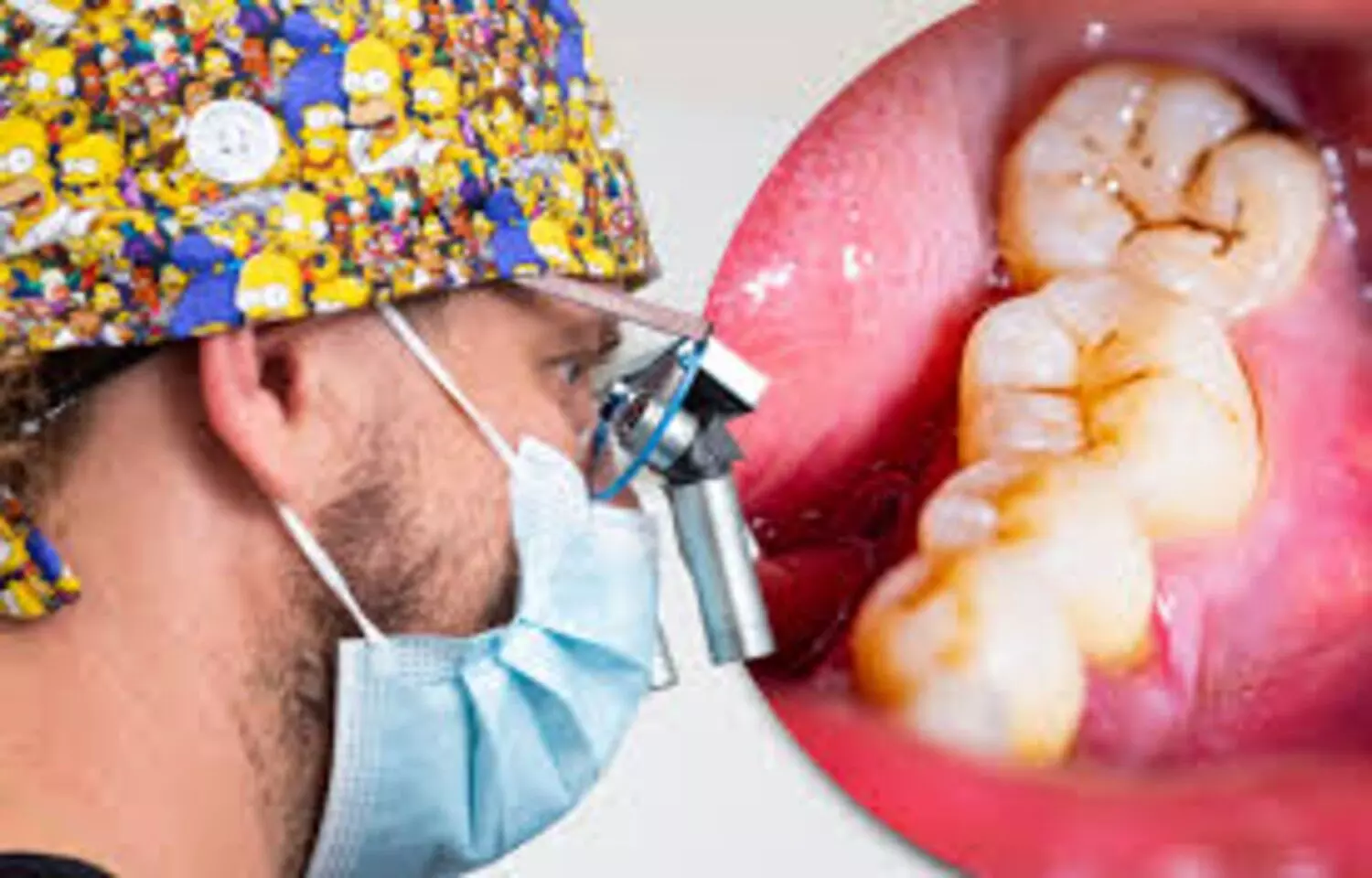
Magnification Loupes Improve Accuracy and Outcomes in Root Canal Treatment: Study

Researchers have found in new study that use of magnification loupes in RCT enhances precision and procedural efficiency.This leads to improved clinical outcomes and greater patient satisfaction. Root canal treatment…
Continue ReadingMagnification Loupes Improve Accuracy and Outcomes in Root Canal Treatment: Study

Screen time among kids increased over three decades – especially after COVID-19 pandemic: Study

First systematic review to track long-term trends across pre- and post-pandemic periods finds dramatic rise in screen use among children and adolescents. Screen time among children and adolescents has increased…

Continue ReadingScreen time among kids increased over three decades – especially after COVID-19 pandemic: Study

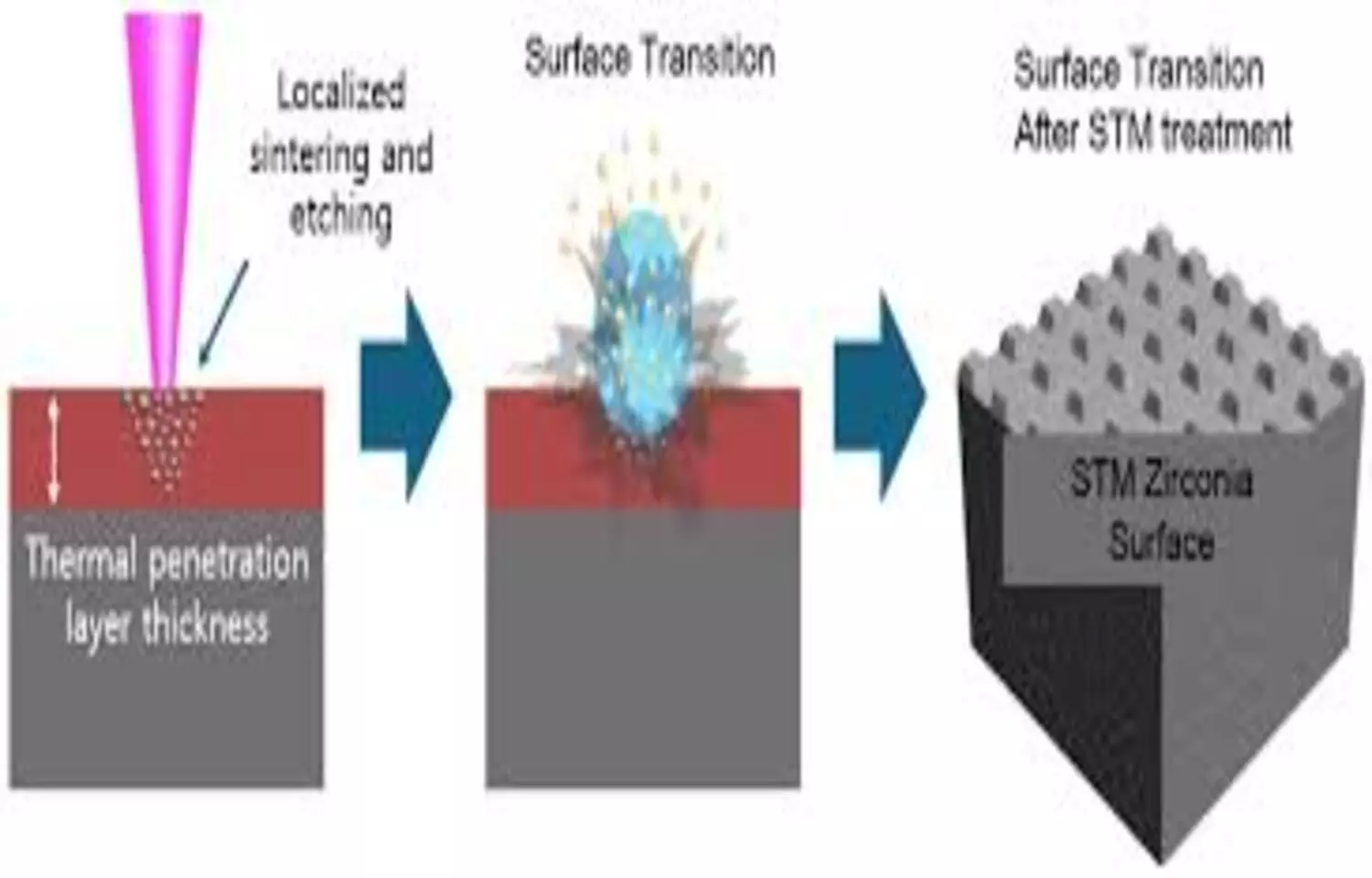
Prompt Cementation may reduce adhesive failure After Zirconia Surface Treatment, suggests study

Researchers have found in a new study that prolonged storage significantly reduces surface free energy (SFE) and increases adhesive failures to zirconia. Therefore, minimizing the time between surface treatment and…

Continue ReadingPrompt Cementation may reduce adhesive failure After Zirconia Surface Treatment, suggests study

AI stethoscope can help spot ‘silent epidemic’ of heart valve disease earlier than GPs, study suggests

Artificial intelligence could help doctors detect serious heart valve disease years earlier, potentially saving thousands of lives, a new study suggests. Researchers led by the University of Cambridge analysed heart…

Continue ReadingAI stethoscope can help spot ‘silent epidemic’ of heart valve disease earlier than GPs, study suggests

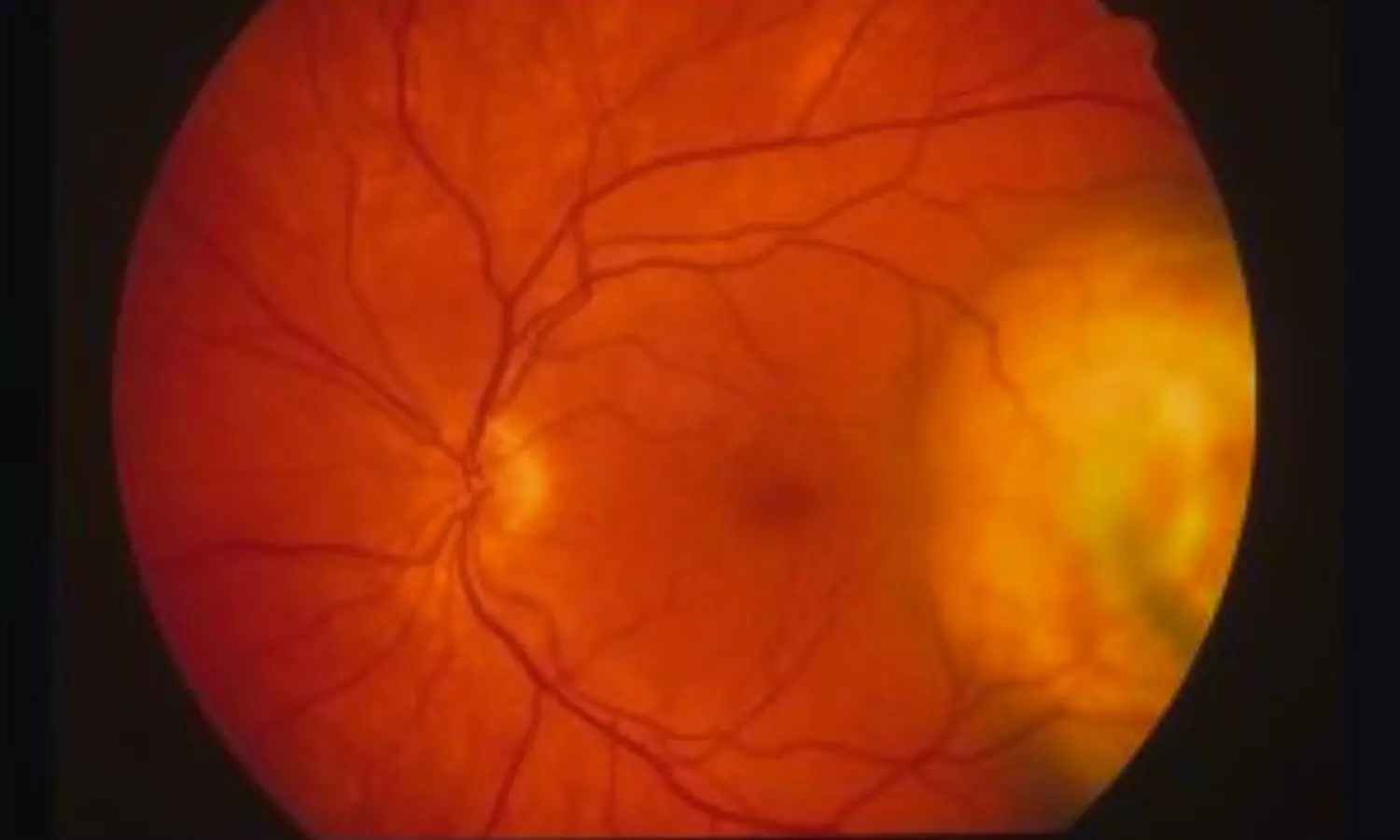
Patients with floaters or flashes could face higher risk of retinal detachment, reveals research

Data from ophthalmology practices showed that experiencing newly emerging floaters in vision is more strongly associated with retinal tears than experiencing flashes. However, these associations have not been studied in…

Continue ReadingPatients with floaters or flashes could face higher risk of retinal detachment, reveals research