
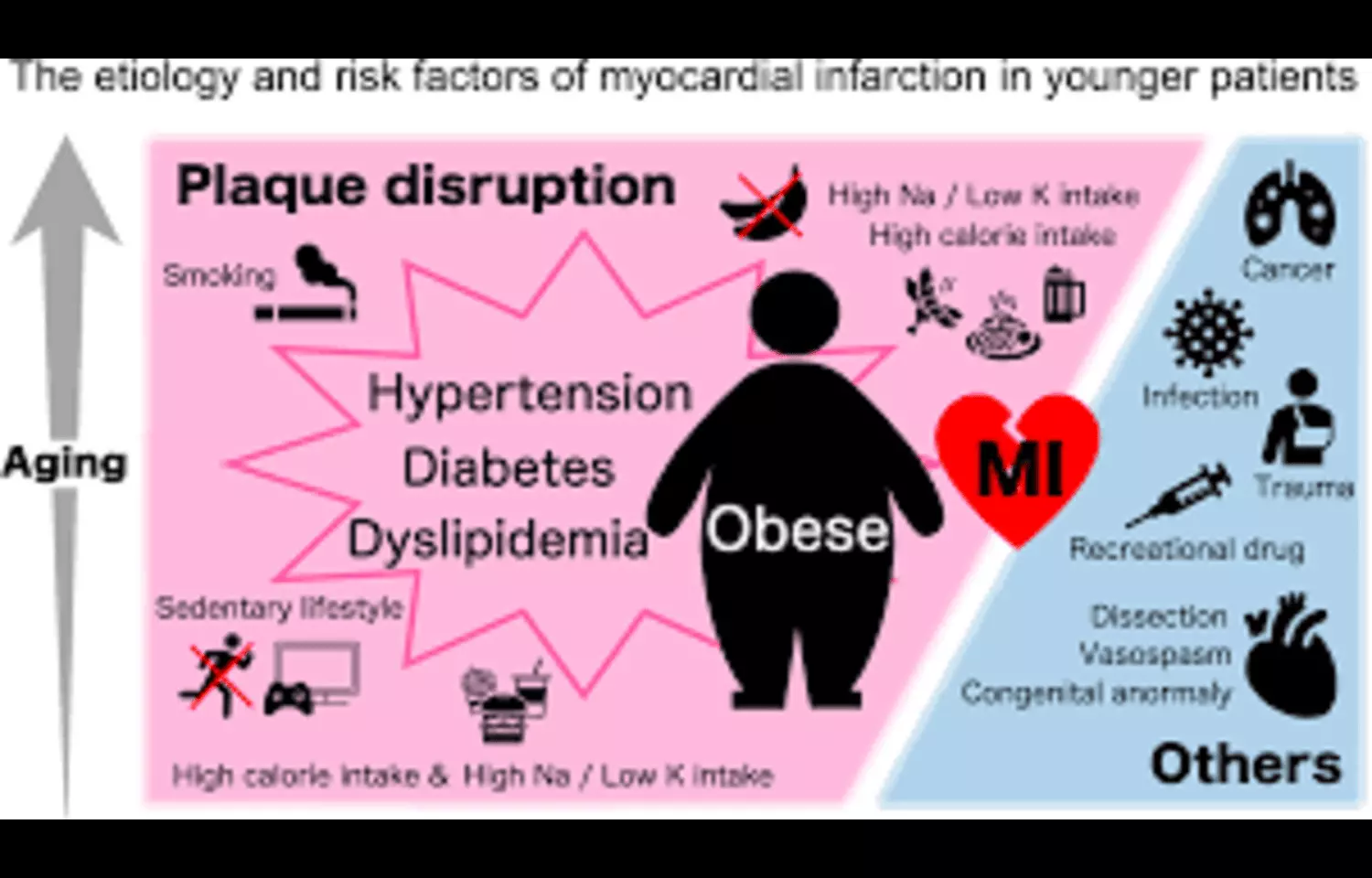
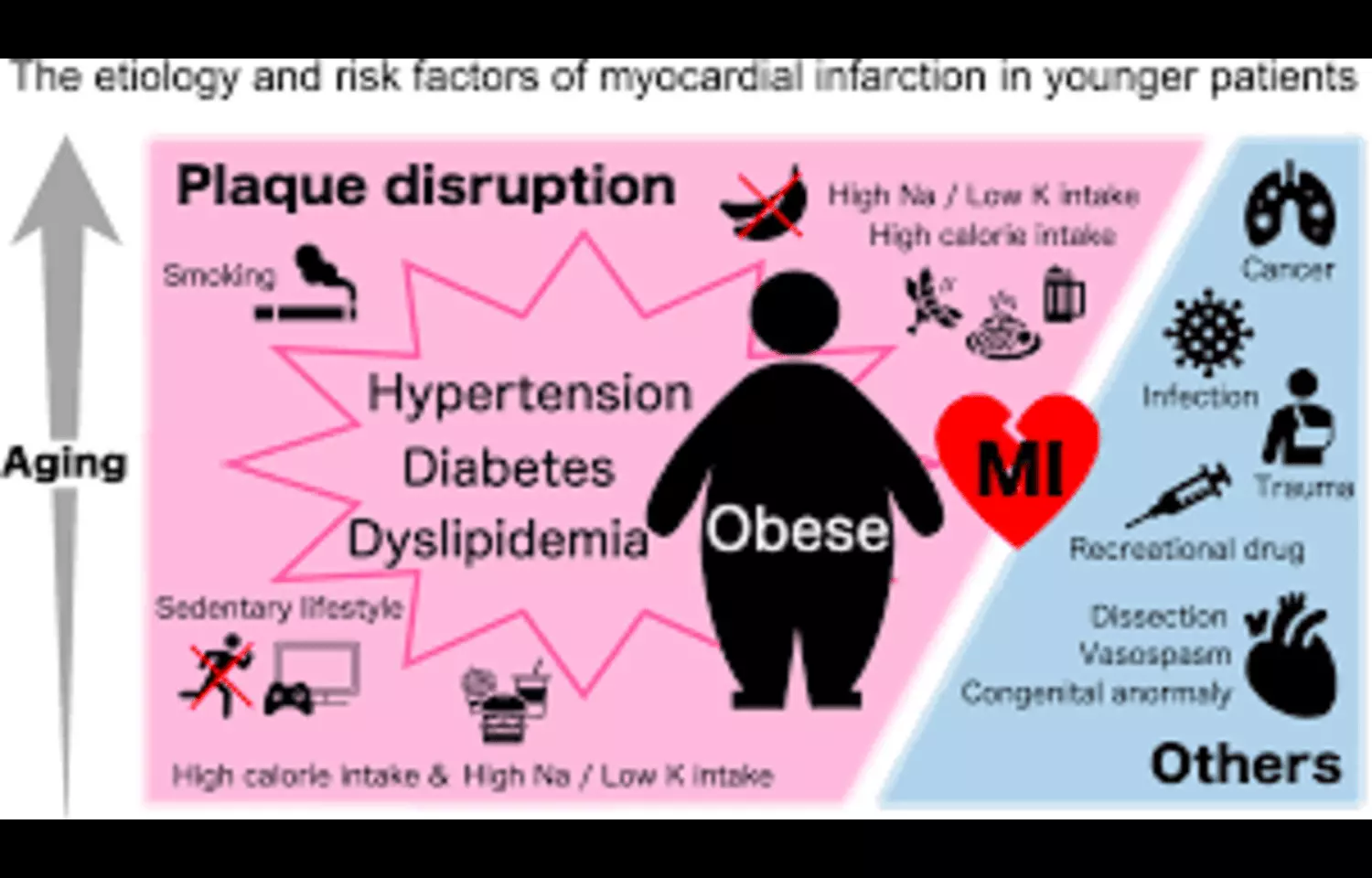
A recent study published in the Journal of the American Heart Association by Wu Y., Liu J., Zhang Y., and colleagues (2025) has highlighted a significant link between abnormal free fatty acid levels and long-term cardiovascular complications in patients who experience premature myocardial infarction. The research, which focused on understanding the metabolic factors influencing post-infarction outcomes, found that both unusually low and high concentrations of circulating free fatty acids were associated with greater risks of major adverse cardiovascular events. The findings underscore that maintaining a balanced level of these fatty acids plays a critical role in heart health after an early heart attack.
Here’s the thing—free fatty acids serve as an important source of energy for the heart, but their imbalance can disrupt normal cardiac metabolism. According to the authors, when levels are either deficient or excessive, the heart’s ability to efficiently use energy becomes impaired, which may worsen inflammation, oxidative stress, and vascular dysfunction. Patients with abnormal free fatty acid levels who also showed signs of metabolic stress, such as higher inflammation markers or obesity, were found to have even poorer outcomes. This interaction suggests that free fatty acids may act as both indicators and amplifiers of cardiovascular risk, especially in those with metabolic comorbidities.
What this really means is that beyond cholesterol and glucose control, clinicians should consider assessing fatty acid balance when managing younger patients recovering from myocardial infarction. The study adds to a growing body of evidence showing that metabolic regulation is central to long-term heart health. It also opens the door for new therapeutic strategies aimed at stabilizing lipid metabolism as part of secondary prevention. As premature myocardial infarction continues to affect younger populations, the research highlights the importance of comprehensive metabolic evaluation and targeted interventions to reduce recurrence and improve survival.
Keywords: free fatty acids, premature myocardial infarction, cardiovascular risk, metabolic imbalance, inflammation, lipid metabolism