
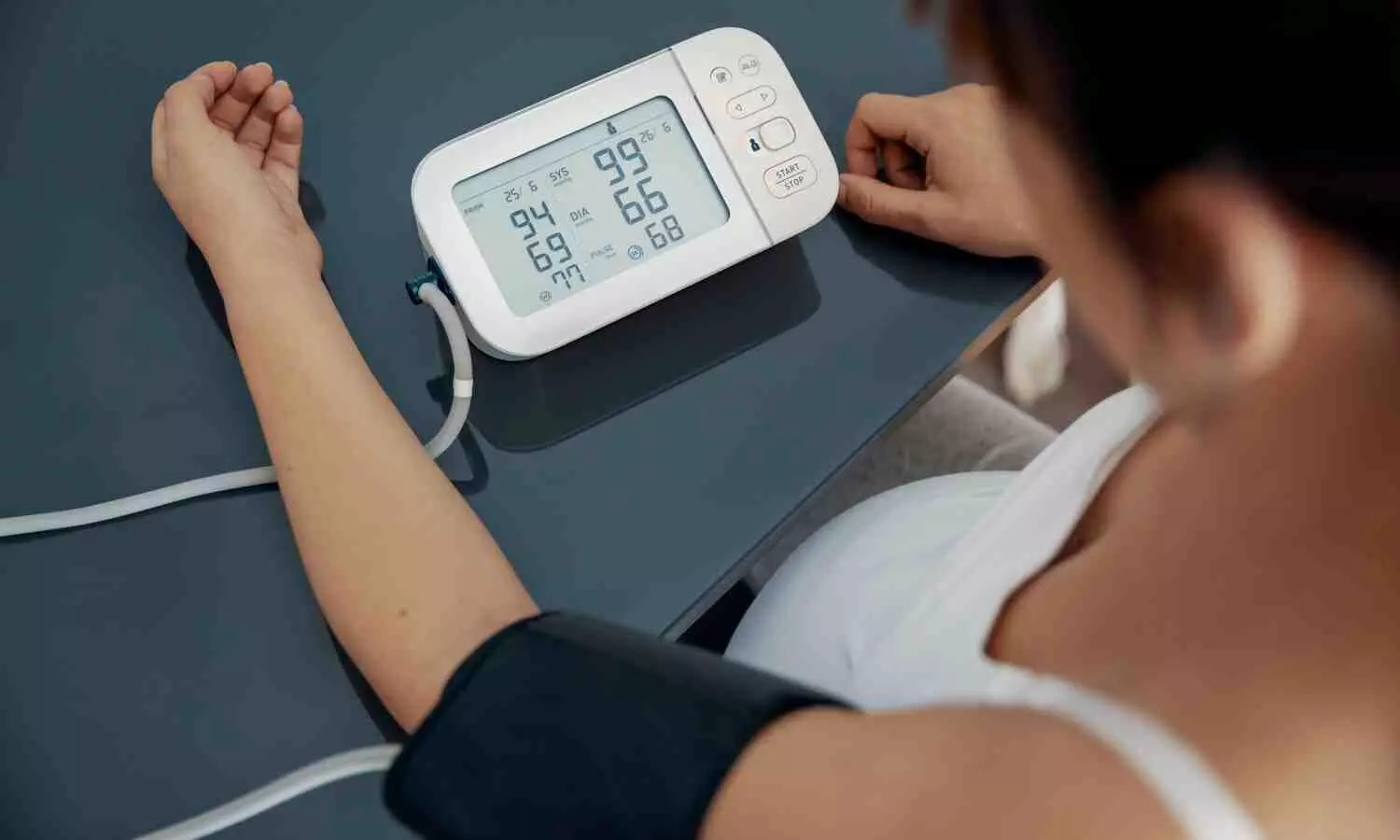
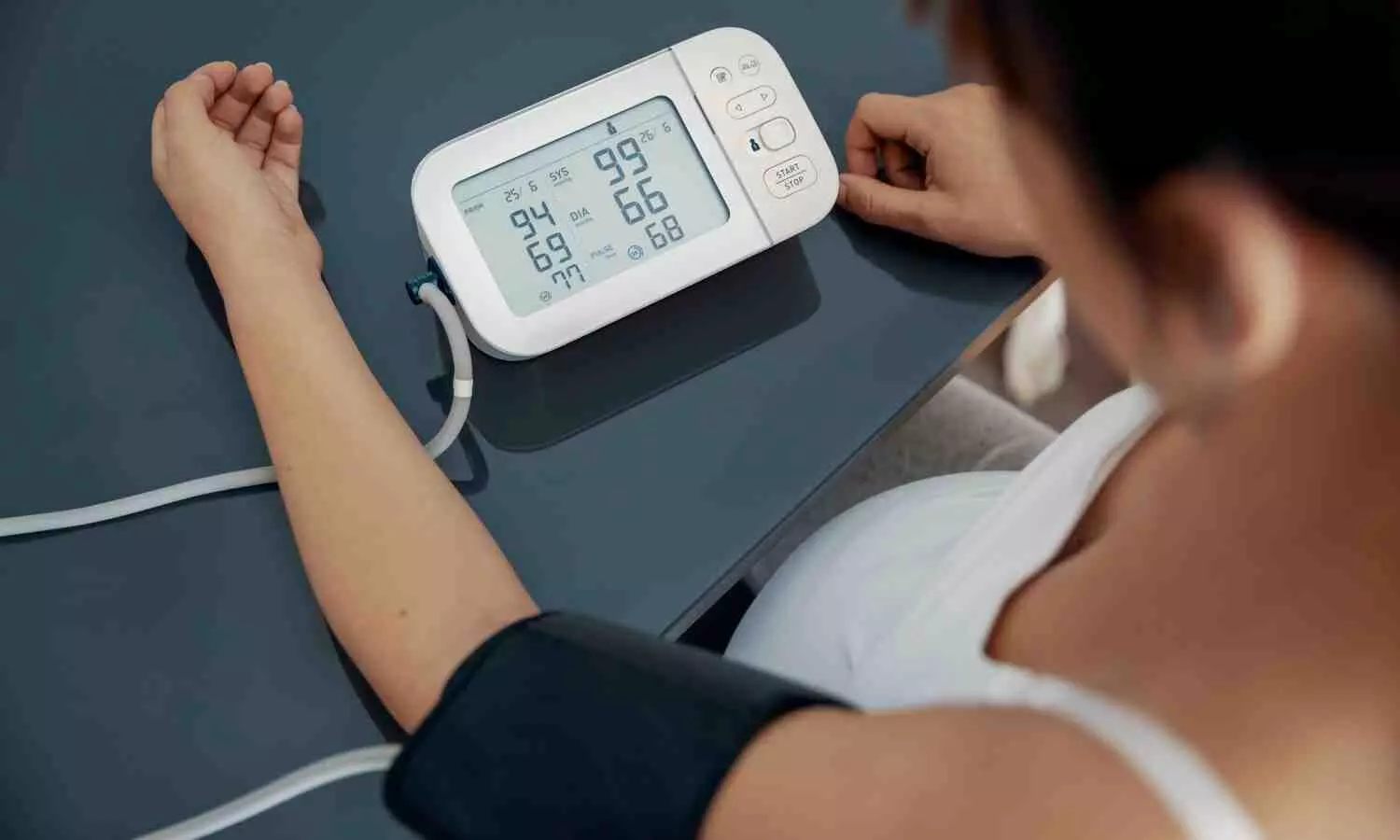
Preeclampsia considered a gestational hypertension with
proteinuria (either 300 mg/24 hours or ≥ 30mg/dL (≥1+ on dipstick) in form of
about two urine samples taken 6 hours between each, no more than 7 days apart.
Preeclampsia is classified into mild form (where Blood
pressure usually shown ≥ 140/90 taken twice with 6 hours interval between each
reading with associated Protein in urine ≥ 300mg/24hr or ≥ 1 + on 2 urine
samples 6 hours apart, or severe form (where Blood Pressure usually shown ≥
160/110 taken twice with 6 hours interval between each reading with associated
Protein in urine ≥ 5g/24hr or ≥ 3+ on 2 urine samples 6 hours apart, important
findings that can be or not be part of the presentation like proteinuria, signs
of organ impairment, such as decrease platelets count, hepatic function
impairment, epigastric and right hypochondrial persistent sever pain, recently
onset headache not responding to treatment, pulmonary edema, or renal
impairment.
Preeclampsia Pathogenesis is not fully understood still
researches done to make a progress in this dilemma in the last decades. The
placenta plays the major role in the pathogenesis of preeclampsia. Thus, the
model of two-stage was appear: partial remodeling of spiral artery in the
uterus that leads to ischemia in placental tissue (stage 1) and the release of
anti angiogenic factors from this tissue into thematernal circulation that
leads to damage of endothelium (stage 2). These hypothesis may explain the
hyperuricemia in early pregnancy with preeclampsia which precede hypertension
and proteinuria.
Uric acid is a terminal degeneration produce by catalyzing
of purine by the xanthine dehydrogenase/xanthine oxidase (XDH/XO) enzyme, and
contributes to the blood and saliva. XDH is change to its oxidase form XO by
many factors including ischemia. Metabolism of Purine by XO couples the
production of uric acid and the release of the superoxide (O2) free radical and
is implicated as a contributor to oxidative stress. XDH/XO is present in
various tissue but mainly in the gut and liver and increases following ischemic
tissue damage. Many studies revealed that uric acid may act as pro-inflammatory
and pro-oxidant agent.
This study involved 180 patient divided into three group 60
patient healthy not pregnant women as control, 1st study group (A) 60
normotensive pregnant women in third trimester, 2nd study group (B) 60 patient
diagnosed as PET both group in their third trimester of pregnancy, uric acid
levels in both the serum & saliva was recorded by ELISA and the result was
compared statistically. A cross-sectional study performed at AlYarmouk Teaching
Hospital from October 2022 to October 2023.
The result showed when compared serum and salivary uric acid
level in the three studying groups the mean of serum uric acid level were 46.65±6.76mg/dl,
50.03±6.28mg/dl, 63.31±3.61 mg/dl in the non pregnant, pregnant, pregnant with
PET consequently with obvious difference P-value 0.0001. Salivary uric acid was
significantly increased in the pregnant PET group mean level was
(50.59-83.58mg/dl) in comparison with (33.95-63.11mg/dl)in non pregnant and
(38.94- 66.93mg/dl) in pregnant group were the p- value 0.0001.
Uric acid level in the serum was found to be about 25–35% in
uncomplicated pregnancies due to blood volume expansion related to pregnancy,
high renal blood flow, high glomerular filtration rate and lastly due to uricosuric
action of estrogen. Serum uric acid concentrations continue to rise as
pregnancy proceed till the end of pregnancy, as a result of the increased fetal
production, its albumin binding level decreased and with associated decrease
renal clearance. In pregnancies complicated by preeclampsia, the decreased in
uric acid excretion level, will subsequently increase the level of serum uric
acid. Although uricemia is usually followed by proteinuria. Recent studies show
increase in oxidative stress materials and reactive oxygen species the
formation were all found to be another contributing resources for hyperuricemia
observed in pregnant ladies complicated with preeclampsia. Due to the
interaction between uric acid with proinflammatory cytokines, increased plasma
levels of uric acid in pregnant women with preeclampsia may indicate a direct
contribution for its pathophysiology as its role of action through promoting
inflammation.
Salivary UA can be used as a simple non invasive test to
monitor women with preeclampsia.
Source: Ismael et al. / Indian Journal of Obstetrics and
Gynecology Research 2025;12(3):409–414