
Iran: Researchers have found in a new study that baricitinib combined with topical corticosteroids showed greater effectiveness than azathioprine plus topical corticosteroids in adults with moderate-to-severe atopic dermatitis, with both regimens displaying a well-tolerated safety profile at 12 weeks.
The findings, published in the British Journal of Dermatology by Mohammad Malekan and colleagues from Mazandaran University of Science and Technology, offer fresh insights into the comparative performance of two commonly used systemic therapies for atopic dermatitis.
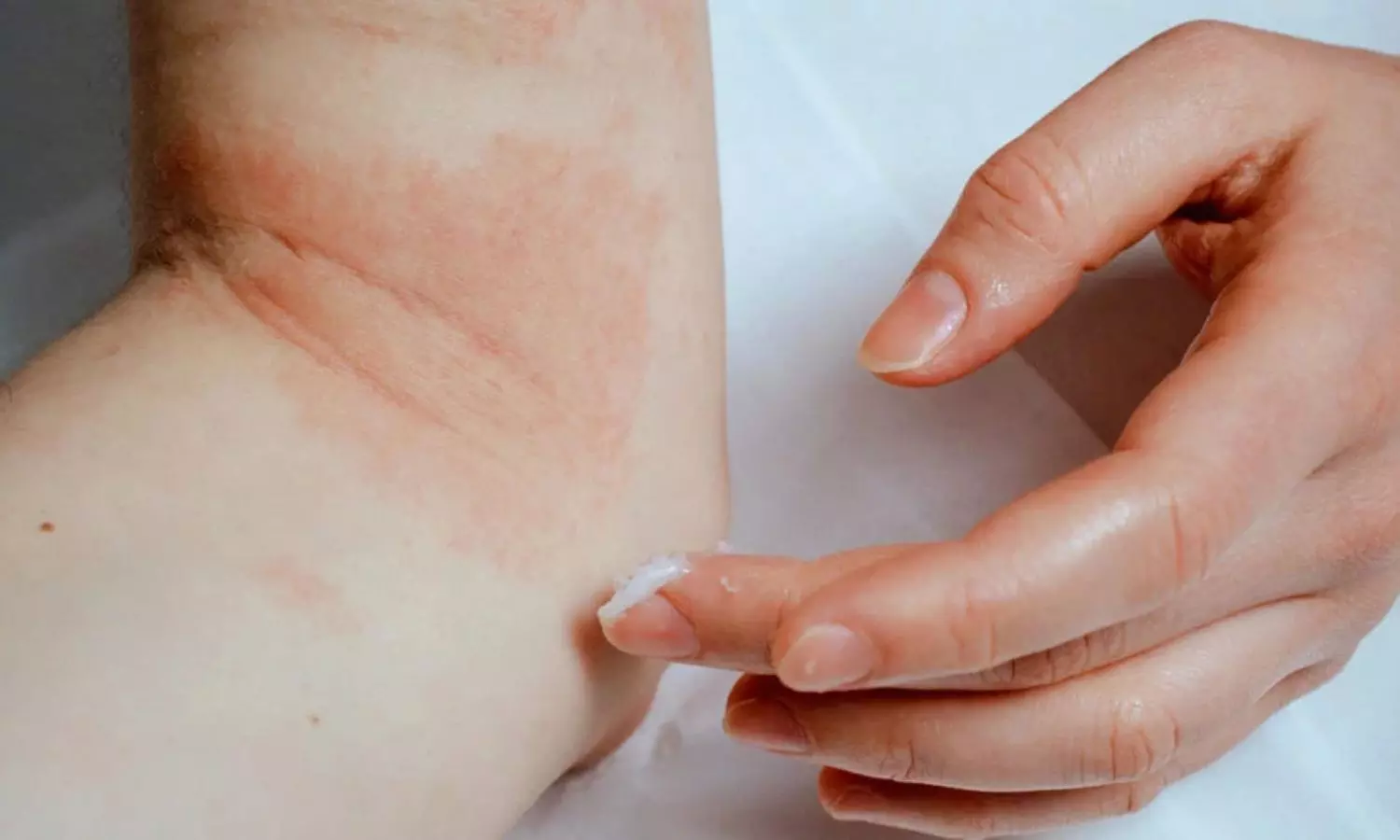
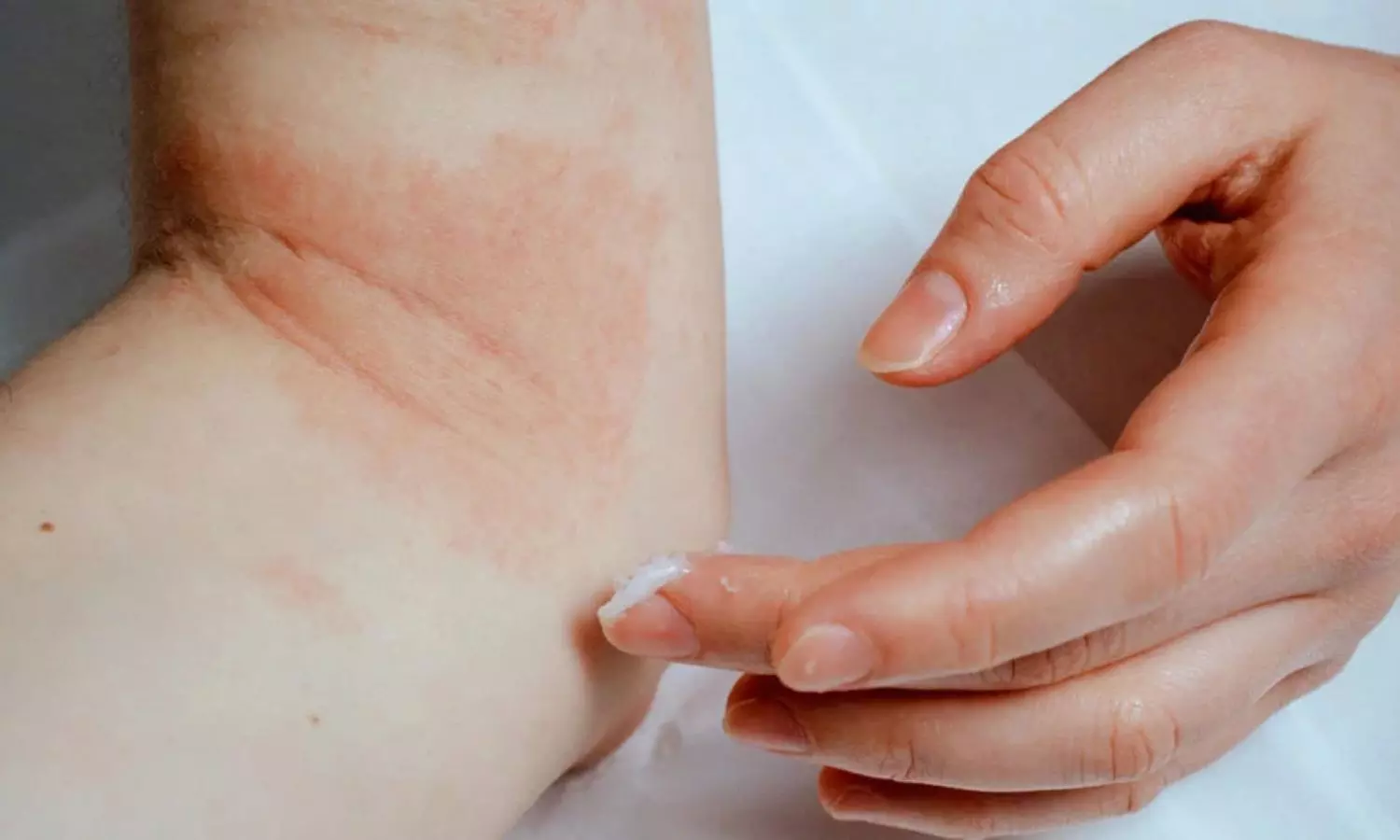
Atopic dermatitis (AD) is a chronic inflammatory skin disorder characterized by recurrent flares, intense itching, and widespread skin lesions. Managing moderate-to-severe cases often requires systemic treatment in addition to topical therapies. While azathioprine has long been used as an immunosuppressive option, newer targeted therapies such as baricitinib—a Janus kinase (JAK) 1/2 inhibitor—have gained attention for their potential to offer faster and more effective disease control. However, direct comparisons between the two treatments have been limited. This study aimed to fill that gap through a head-to-head clinical evaluation.
The trial was designed as a single-center, randomized, open-label investigation and included 40 adults diagnosed with moderate-to-severe AD. Participants were randomly assigned in equal numbers to receive either baricitinib (4 mg daily) or azathioprine (1.5–2.5 mg/kg daily), with both groups also using topical corticosteroids and 10% urea cream for 12 weeks. The primary measure of improvement was achieving at least a 75% reduction in the Eczema Area and Severity Index (EASI-75) by the end of the study period.
The study led to the following notable findings:
- At week 12, 65% of patients receiving baricitinib achieved EASI-75, compared with only 15% of those treated with azathioprine, showing a statistically significant 50% advantage for baricitinib.
- Baricitinib demonstrated superior improvement in baseline-adjusted mean EASI scores, supported by a large effect size.
- SCORAD-75 was achieved by 55% of patients in the baricitinib group versus 15% in the azathioprine group, indicating better symptom reduction with baricitinib.
- Both groups showed improvements in itch severity, skin pain, global assessments, quality of life, and psychological well-being, with trends favoring baricitinib, though not reaching statistical significance.
- Both treatment regimens were well tolerated, with no serious adverse events reported in either group.
- No participants discontinued treatment due to side effects during the 12-week study period, supporting the overall safety of both therapies.
The authors concluded that baricitinib combined with topical corticosteroids offers a notably more effective option compared to azathioprine with corticosteroids for adults living with moderate-to-severe atopic dermatitis, without raising safety concerns. The study adds to growing evidence supporting the role of targeted JAK inhibition in advancing AD management and improving patient outcomes.
Reference:
Malekan, M., Rahmatpour Rokni, G., Gholizadeh, N., Mollapour Sisakht, M., Parvizi, M. M., Taghiloo, S., Dabbaghzadeh, A., Rostamkolaei, A., & Gouran, P. Efficacy and Safety of Baricitinib Versus Azathioprine Combined with Topical Corticosteroids in Patients with Moderate-to-Severe Atopic Dermatitis: A Single-Center, Randomized, Open-Label Trial. British Journal of Dermatology. https://doi.org/10.1093/bjd/ljaf456