
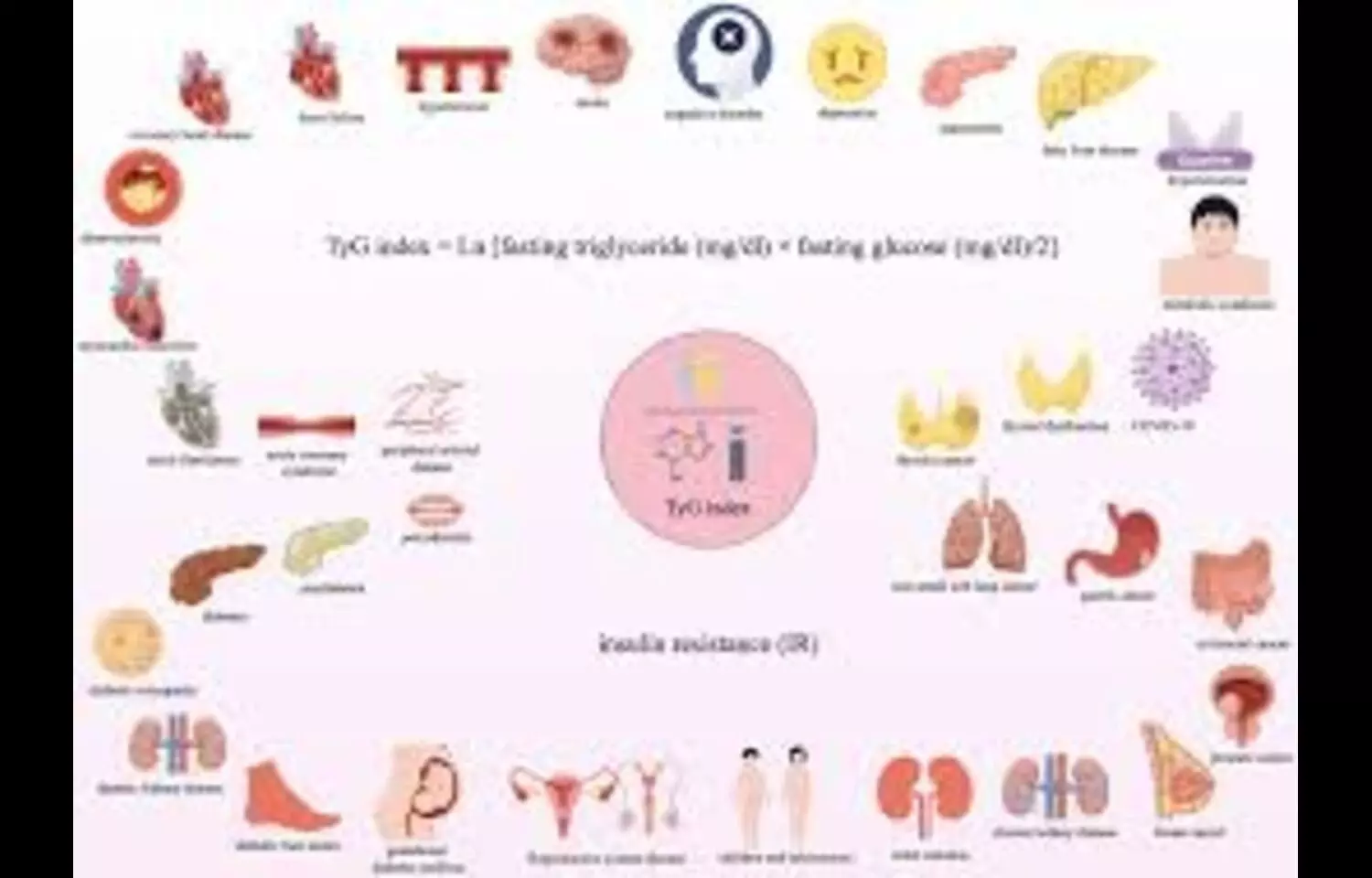
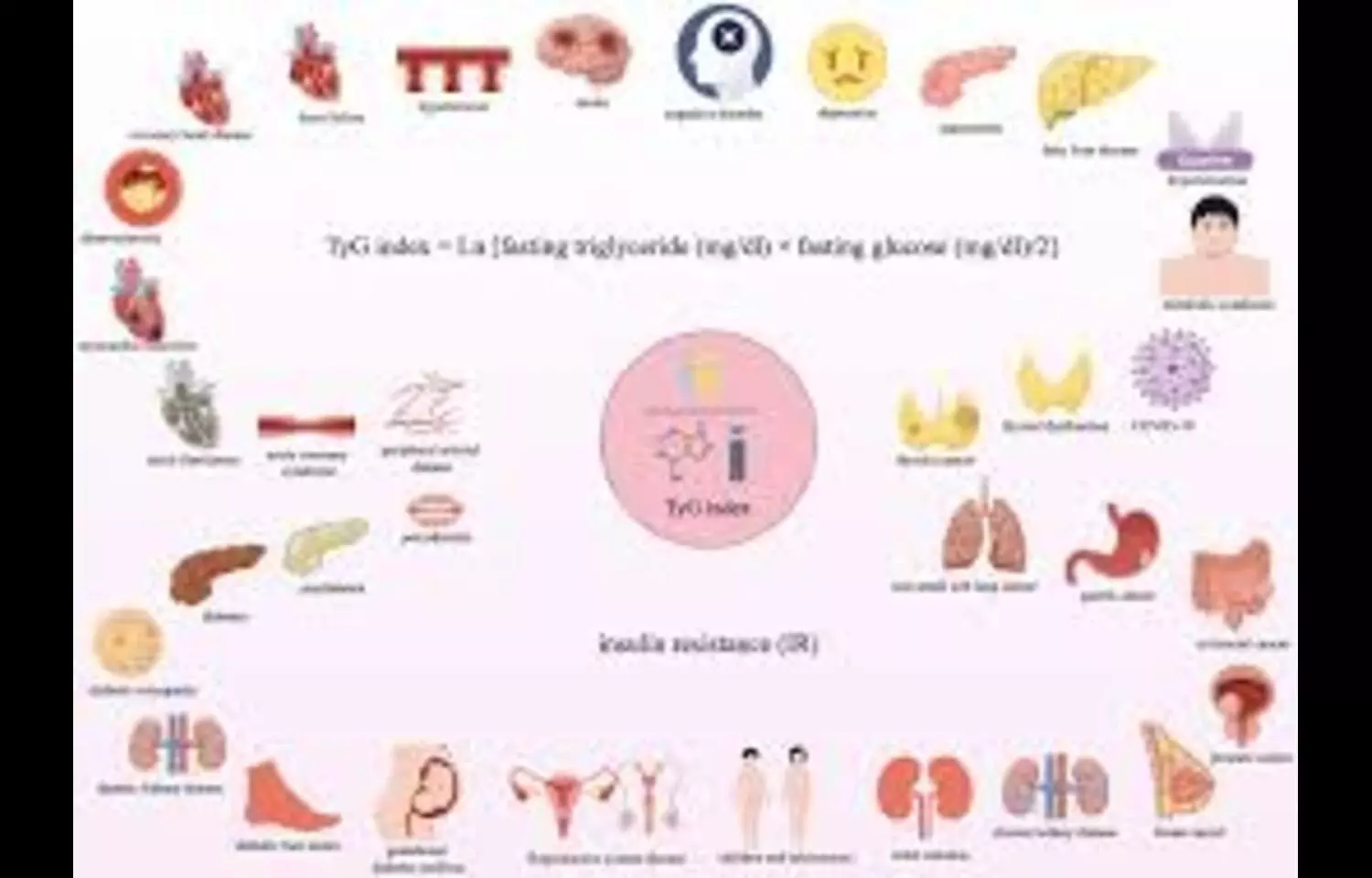
A study published in Frontiers in Endocrinology has found that an elevated triglyceride-glucose (TyG) index is independently associated with a higher risk of hyperuricemia (HUA) in patients with type 2 diabetes mellitus (T2DM). The research highlights the potential of the TyG index—a simple and cost-effective marker derived from fasting triglyceride and glucose levels—as a valuable tool for early detection of metabolic complications in diabetic patients.
Researchers analyzed a large sample of individuals with T2DM to assess how the TyG index correlates with serum uric acid levels. They observed that higher TyG values were significantly linked with the presence of hyperuricemia, even after adjusting for factors such as age, body mass index, blood pressure, and lipid profile. This suggests that insulin resistance, as reflected by the TyG index, plays an important role in the pathogenesis of elevated uric acid levels. The study underscores that beyond glucose regulation, metabolic disturbances can contribute to systemic complications like gout, kidney dysfunction, and cardiovascular disease.
The authors noted that integrating the TyG index into regular metabolic evaluations could help clinicians identify high-risk patients earlier and guide lifestyle or therapeutic interventions to reduce uric acid–related morbidity. By emphasizing metabolic monitoring alongside standard diabetic care, this approach could improve long-term outcomes and lower the burden of complications in patients with T2DM.
Keywords: triglyceride-glucose index, hyperuricemia, type 2 diabetes mellitus, insulin resistance, metabolic risk, cardiovascular disease, Frontiers in Endocrinology.
Reference : Sun, X., Li, X., Qian, Z., Chen, X., Zhang, J., Zhao, C., & Liu, X. (2025, October 17). Association between the triglyceride-glucose index and hyperuricemia in patients with type 2 diabetes mellitus. Frontiers in Endocrinology, 16, 1666563. https://doi.org/10.3389/fendo.2025.1666563