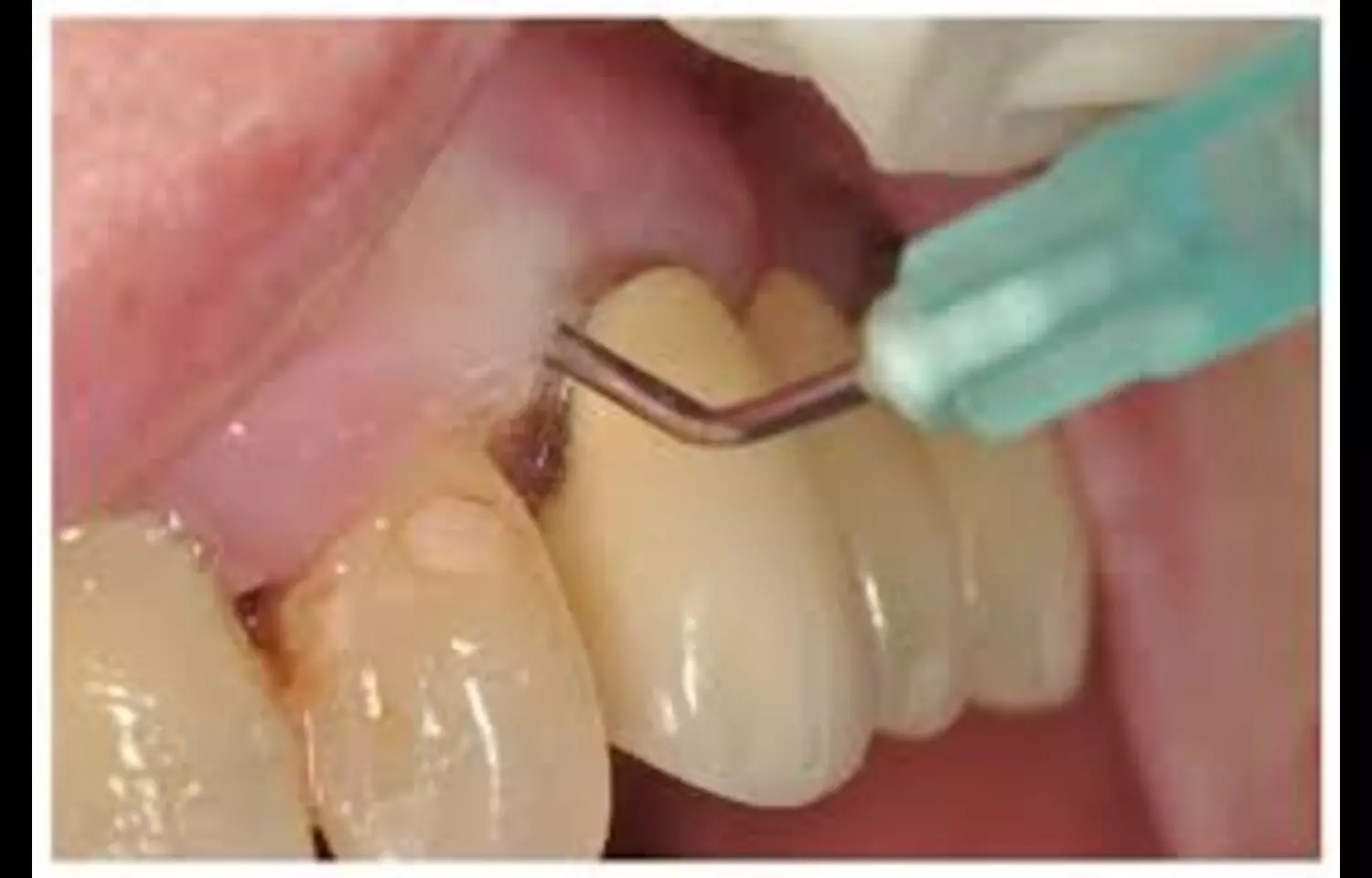
Periodontal disease remains one of the most prevalent oral health conditions worldwide, often managed through nonsurgical periodontal therapy such as scaling and root planing. Adjunctive agents, including antimicrobial rinses and irrigants, are frequently investigated to enhance treatment outcomes. One such option is ozonated water, which has been studied for its antibacterial and anti-inflammatory properties.
A new clinical study published in Clinical and Experimental Dental Research evaluated the effects of ozonated water compared to tap water as adjuncts during nonsurgical periodontal therapy. The randomized controlled trial measured probing pocket depth (PPD), clinical attachment level (CAL), and gingival index (GI) to assess treatment outcomes. Both the ozonated water and control (tap water) groups demonstrated significant improvements across all clinical parameters after therapy, confirming the effectiveness of nonsurgical periodontal treatment in general. However, the group receiving ozonated water irrigation exhibited slightly greater short-term reductions in CAL and GI compared to the control group. This suggests that while ozonated water may offer modest benefits, the differences were not large enough to indicate a substantial clinical advantage over conventional therapy using tap water. Importantly, no adverse effects were reported in the ozonated water group, supporting its safety as an adjunctive treatment option. Researchers concluded that ozonated water could serve as a supportive strategy in periodontal management, particularly for patients seeking non-antibiotic-based adjuncts. Still, the modest effect size highlights the need for cautious interpretation. Long-term studies with larger sample sizes are necessary to better establish the clinical relevance and durability of these benefits. The findings align with previous research suggesting that ozone therapy may reduce microbial load and inflammation, yet its superiority over conventional treatments remains uncertain. Clinicians may consider ozonated water as part of a comprehensive periodontal care plan but should not view it as a replacement for established therapies.